




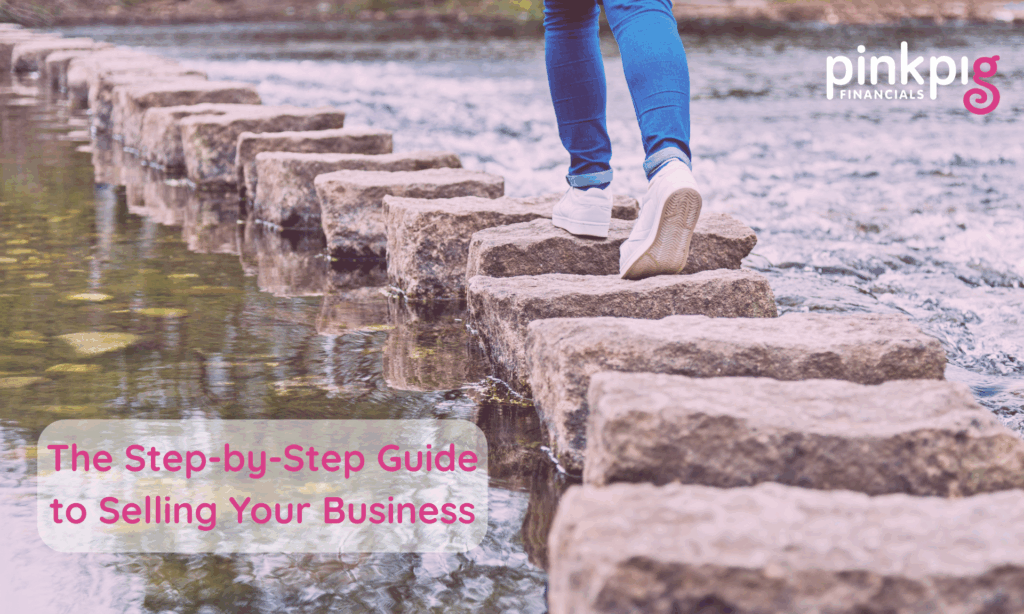
The Step-by-Step Guide to Selling Your Business
The moment you first think “maybe I should sell this business” can feel both exciting and terrifying. Exciting because it represents the ultimate validation of everything you have built. Terrifying because the process feels like navigating uncharted territory without a map.
The truth is, selling a business is not as mysterious or overwhelming as most business owners imagine. There is a clear process, and while every sale is unique, the fundamental steps remain remarkably consistent. Understanding this roadmap can transform what feels like an impossible mountain to climb into a series of manageable steps.
The Three Phases of Selling Your Business
Every successful business sale follows the same basic structure: preparation, positioning, and negotiation. Think of it like selling a house. You would not put your home on the market without tidying up, getting the right estate agent, and understanding what buyers in your area actually want. Selling your business follows the same logic, just with higher stakes and more complexity.
Phase One: Getting Ready to Sell
Before you tell anyone about your intentions, before you start looking for buyers, you need to get your house in order. This preparation phase often takes longer than business owners expect, but it is absolutely critical to getting the best possible outcome.
Step 1: Answer the Most Important Question
Why do you want to sell? This might seem obvious, but most business owners have never properly thought through their motivations. Are you looking to retire completely, or do you want to stay involved in a different capacity? Do you need the money now, or are you planning for the future? Are you burned out, or genuinely excited about what comes next?
Your answer to this question will drive every other decision in the process. It affects your timeline, your negotiating position, and even which types of buyers you should target.
Step 2: Get Your Documentation in Order
Buyers will want to see everything. Financial statements for the past three years, tax returns, major contracts, employment agreements, intellectual property documentation, insurance policies, and legal compliance records. The list is extensive, and gathering everything takes time.
This is not just about having the documents. It is about having them organised, up to date, and professionally presented. Many accounting firms offer “pre-diligence” services to help you pull this together systematically.
Step 3: Clean Up Any Issues
Now is the time to address anything that could derail a sale. Outstanding legal disputes, tax problems, contract issues, or compliance gaps all need to be resolved before you go to market. Buyers will discover these problems during due diligence anyway, and it is much better to fix them proactively than try to explain them away later.
Phase Two: Positioning and Process
Once your business is ready for scrutiny, you need to position it attractively and control the sales process to maximise your leverage.
Step 4: Identify Your Natural Buyers
Not all buyers are created equal. Some will see tremendous value in what you have built, while others will struggle to understand why they should pay a premium. Your job is to identify the companies that have strategic reasons to want your business.
Look for companies that are 5-20 times your size in the same or adjacent industries. These businesses are large enough to afford you but small enough that your company would make a meaningful difference to their operations.
Step 5: Create Your Marketing Materials
You need two key documents: a “teaser” and a Confidential Information Memorandum (CIM). The teaser is a brief, anonymous description of your business designed to generate interest without revealing your identity. The CIM is a comprehensive document that tells your complete story once serious buyers have signed confidentiality agreements.
Both documents need to position your business strategically, highlighting the reasons why an acquirer would benefit from owning your company rather than just listing facts and figures.
Step 6: Control the Information Flow
The art of selling your business is a controlled reveal. You want to share information strategically, giving buyers enough to maintain their interest while keeping enough back to maintain your negotiating position. Start with high-level conversations, gradually sharing more detailed information as buyers demonstrate serious intent.
Step 7: Manage Your Team
Decide who needs to know about the potential sale and when. Some key employees might need to be involved early to help with due diligence or to ensure they stay with the business post-sale. Others can be informed later in the process. Have a plan for keeping confidential information confidential while maintaining team morale and productivity.
Phase Three: Negotiation and Closing
The final phase is where deals get done or fall apart. This is where preparation and positioning pay off.
Step 8: Generate Multiple Offers
The best way to maximise your sale price is to create competition among buyers. This means running a process where multiple potential acquirers are evaluating your business simultaneously. Competition drives up prices and improves terms.
Step 9: Evaluate Offers Properly
The highest headline price is not always the best offer. Look at the structure of each deal, the certainty of closing, the timeline, and any ongoing obligations you would have post-sale. An offer that is £100,000 lower but has better terms might actually put more money in your pocket.
Step 10: Negotiate the Details
Once you have selected your preferred buyer, the real negotiation begins. This covers not just price, but payment terms, your role post-sale, warranties and indemnities, and dozens of other details that can significantly impact your final outcome.
Step 11: Navigate Due Diligence
The buyer will want to verify everything you have told them and discover anything you have not. This process can take weeks or months and requires significant time and attention from you and your team. The better your preparation in Phase One, the smoother this process will be.
Step 12: Close the Deal
The final step involves signing a mountain of legal documents, transferring ownership, and receiving your payment. Even at this stage, deals can fall through, so nothing is certain until the money is in your bank account.
The Reality of Timelines
Most business owners underestimate how long this process takes. From the moment you decide to sell to the moment you receive payment typically takes 12-18 months, sometimes longer. The preparation phase alone often takes 6-9 months, especially if you need to address operational or legal issues.
This is why it is crucial to start the process before you absolutely need to sell. The best time to sell is when you are not desperate to sell, when your business is performing well, and when you have time to run a proper process.
Getting Professional Help
While it is possible to sell your business yourself, most successful exits involve professional advisors. This typically includes an M&A advisor or business broker to manage the process, a specialist lawyer to handle the legal aspects, and an accountant to manage the financial elements.
These professionals cost money, but they typically more than pay for themselves through better prices, smoother processes, and deals that actually close.
The Emotional Journey
Finally, remember that selling your business is not just a financial transaction. It is an emotional journey that involves letting go of something you have built and nurtured for years. It is normal to feel conflicted, even when you know selling is the right decision.
Many business owners experience “seller’s remorse” during the process, questioning whether they really want to sell. This is why answering that fundamental question about your motivations is so important. When the process gets difficult or emotional, you need to remember why you started this journey in the first place.
Your Next Chapter Starts with Preparation
Selling your business successfully is not about luck or timing. It is about preparation, positioning, and process. The business owners who achieve the best outcomes are those who approach the sale strategically, with proper planning and professional support.
Whether your exit is two years away or ten years away, the time to start thinking about this process is now. The decisions you make today about how you structure and run your business will directly impact what it is worth when you eventually decide to sell.
Ready to Build a Business That Fits Your Goals?
Whether you are actively planning an exit or simply want to build a business that gives you options, having the right financial foundation makes all the difference. You need accountants who understand that your business is more than just numbers on a page.
At Pink Pig Financials, we work with ambitious business owners who want more than just compliance. We help you build the financial foundation that supports your goals, whether that means optimising for lifestyle freedom or preparing for a future exit.
If you want to work with accountants who will help you build the business that fits with your goals, not just tick the compliance boxes, let’s have a conversation.
Book your free Discovery Call today and let’s talk about turning your business into the life you actually want to live.
